Fashion’s Role in Empowering Women: More Than Just Clothes

Fashion has long been a tool of self-expression, but its impact goes far beyond aesthetics—it can be a powerful force for empowerment.

Fashion has long been a tool of self-expression, but its impact goes far beyond aesthetics—it can be a powerful force for empowerment. Throughout history, what women wear has often been a reflection of their societal status, but today, fashion is being used to challenge norms, break barriers, and empower women worldwide.

The concept of power dressing, popularized in the 1980s, was one of the first clear examples of fashion’s empowering potential. Women entering the corporate world adopted tailored suits, bold shoulder pads, and structured silhouettes to assert their presence in male-dominated spaces. This was more than just a trend; it was a statement of confidence and ambition.

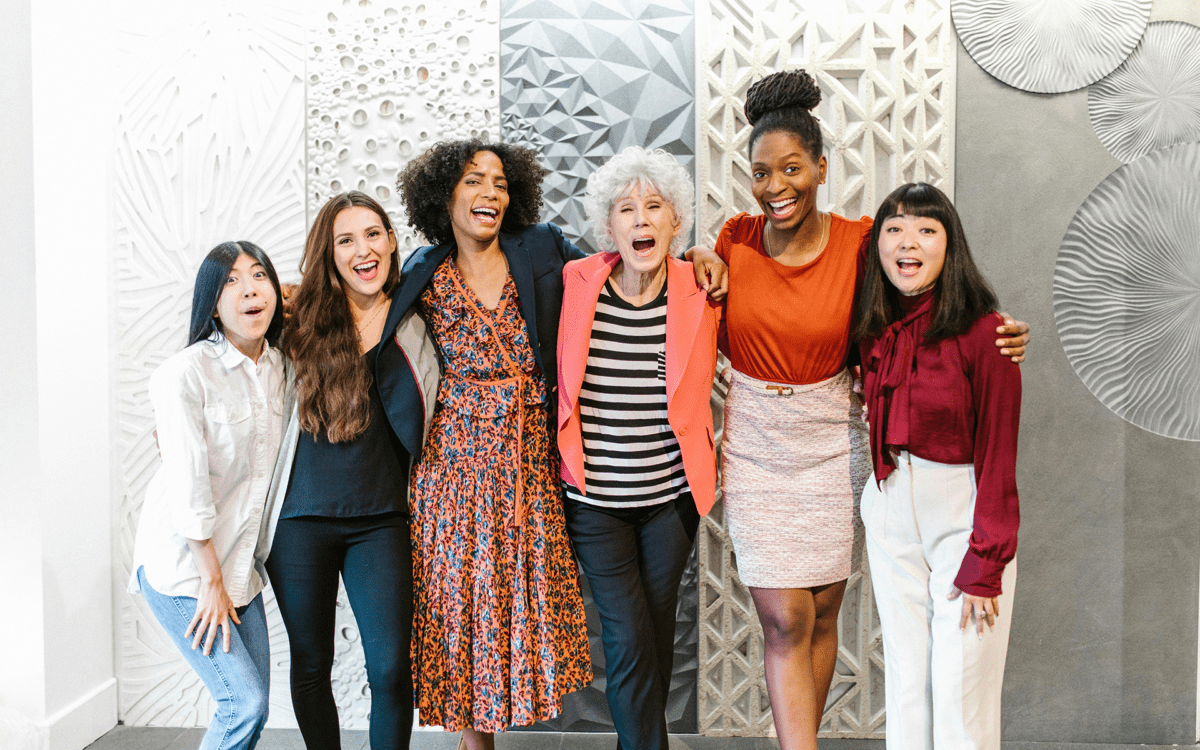
Fast forward to today, and fashion continues to be a medium through which women assert their identities. The rise of body positivity and inclusivity in fashion has opened doors for women of all shapes, sizes, and backgrounds to see themselves represented. Brands like Savage X Fenty, Chromat, and Universal Standard have been at the forefront of this movement, challenging traditional beauty standards and celebrating diversity.

Moreover, fashion can be a tool for activism. Think of the Pussyhat Project during the Women’s March or the use of suffragette white at political events. Clothing choices can send powerful messages, uniting people around a cause and amplifying their voices. Designers are also increasingly using their platforms to advocate for women’s rights, whether through sustainable practices, ethical labor, or collaborations with women’s organizations.

Fashion also plays a role in personal empowerment. The right outfit can boost confidence, reflect individuality, and even change the way we feel about ourselves. It’s about dressing for oneself, not for others, and using fashion as a form of self-care and self-expression.

In essence, fashion’s role in empowering women is multi-faceted. It’s about more than just clothes; it’s about challenging the status quo, celebrating diversity, and giving women the freedom to express who they are. As the fashion industry continues to evolve, its potential to empower and inspire will only grow stronger.

The Evolution of Street Style: From Subculture to Mainstream

Street style has always been a reflection of the times, capturing the essence of urban life and subcultures.

Street style has always been a reflection of the times, capturing the essence of urban life and subcultures. What started as an underground movement in cities like New York and London has now evolved into a global phenomenon, influencing high fashion and mainstream trends alike. But how did street style make such a leap from the fringes to the forefront?

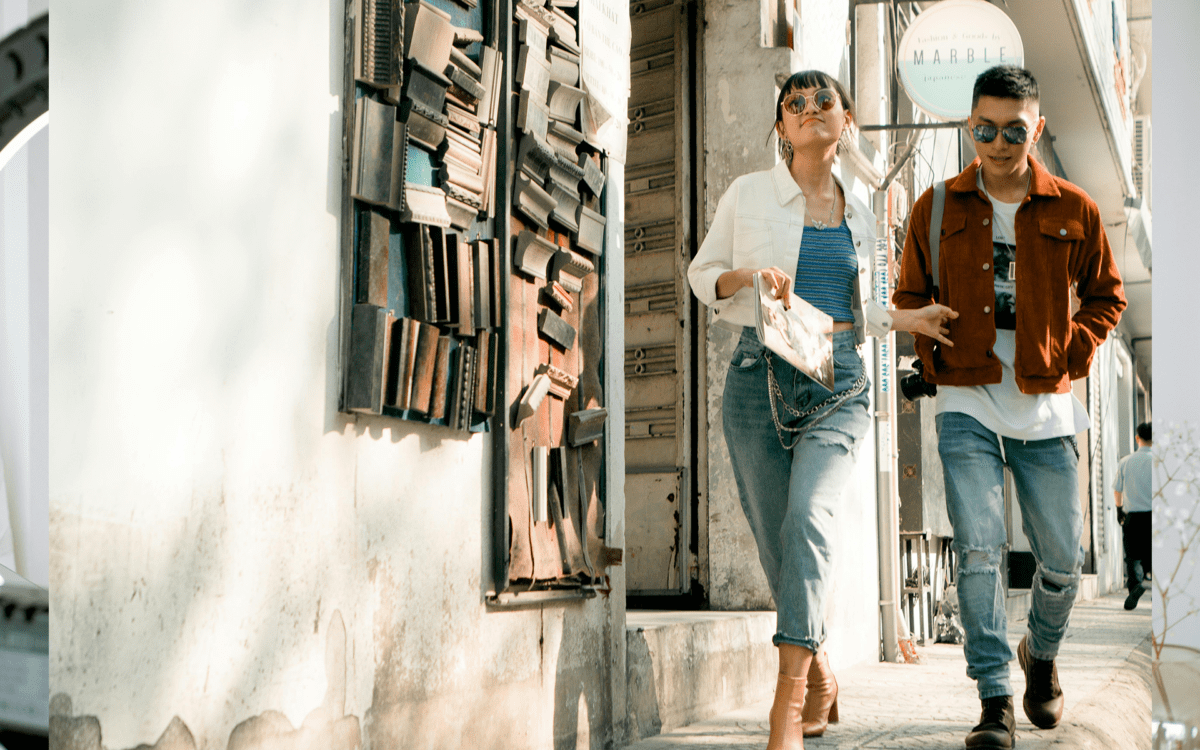
The origins of street style can be traced back to the 1970s, when punk, hip-hop, and skate culture began to make their mark on fashion. These subcultures were about more than just clothes—they were a form of self-expression and rebellion against the status quo. As these styles gained popularity, they caught the eye of fashion designers, who started incorporating elements of street style into their collections.

The 1990s and early 2000s marked a turning point for street style, thanks to the rise of sneaker culture, the influence of hip-hop, and the democratization of fashion through the internet. Brands like Supreme, Off-White, and A Bathing Ape emerged, blurring the lines between streetwear and high fashion. Social media further accelerated this shift, allowing street style to be showcased on a global stage and making it accessible to a wider audience.

Today, street style is celebrated on runways and red carpets, with luxury brands collaborating with streetwear labels to create limited-edition collections that sell out in minutes. What makes street style so appealing is its authenticity—it’s not dictated by trends but by individuals who express their unique personalities through their outfits.

However, with its mainstream success, street style faces new challenges. The rapid commercialization and the constant chase for the next big thing can sometimes dilute the movement’s original spirit of individuality and rebellion. Despite this, street style continues to evolve, pushing boundaries and inspiring a new generation of fashion lovers.

In essence, street style is a testament to fashion’s dynamic nature. It’s a reminder that style isn’t just about following trends but about making a statement and expressing who you are. As it continues to evolve, street style will undoubtedly remain a driving force in the fashion world, inspiring creativity and individuality.

The Rise of Sustainable Fashion: Why Eco-Friendly Choices Are More Than a Trend

Sustainable fashion is no longer just a buzzword; it’s a movement that has reshaped the industry from the ground up.

Sustainable fashion is no longer just a buzzword; it’s a movement that has reshaped the industry from the ground up. Driven by a growing awareness of the environmental impact of fast fashion, more brands and consumers are turning towards eco-friendly alternatives. But what exactly does sustainable fashion entail, and why does it matter?

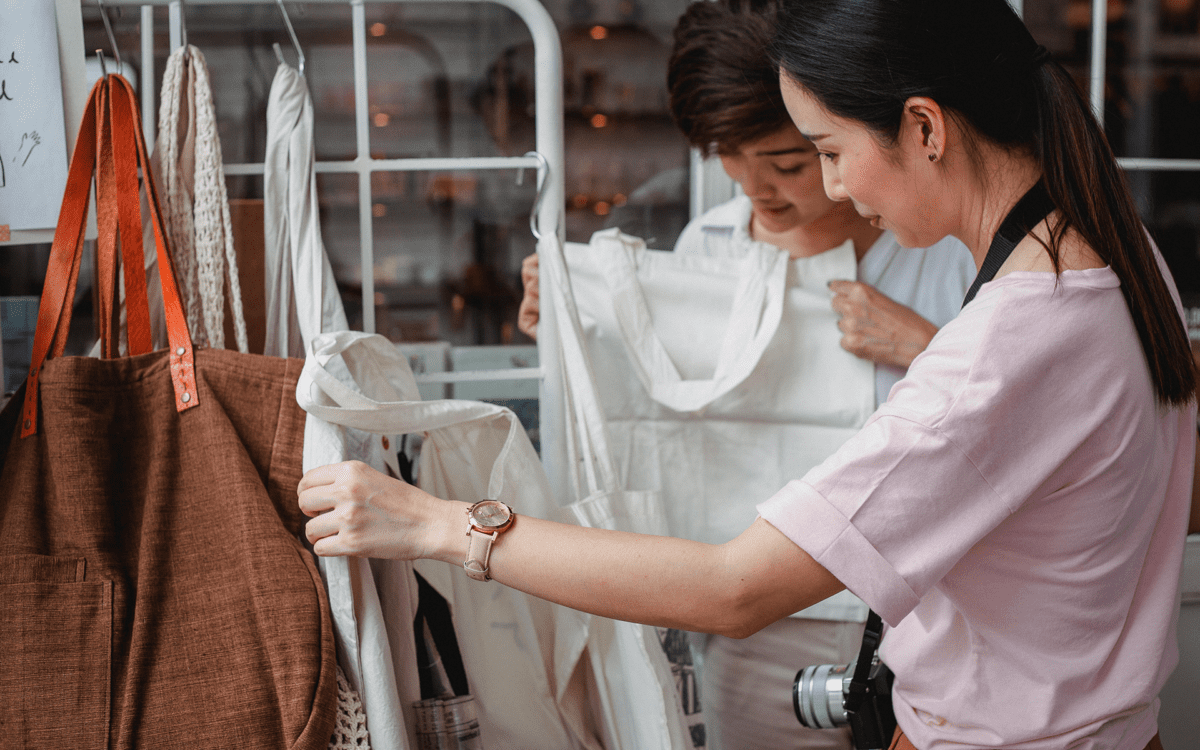
Sustainable fashion is about creating clothing, accessories, and footwear that respect the environment and promote ethical working conditions. From using organic or recycled materials to ensuring fair wages and safe working conditions for garment workers, sustainable fashion covers a broad range of practices. Brands like Stella McCartney, Patagonia, and Reformation are leading the charge, proving that style and sustainability can go hand in hand.

Consumers are increasingly drawn to sustainable fashion for several reasons. First, there’s the environmental factor: the fashion industry is one of the largest polluters globally, contributing to water pollution, carbon emissions, and textile waste. By choosing sustainable brands, consumers can help reduce these impacts. Second, there’s the social aspect. Many fast fashion companies have been criticized for poor working conditions and exploitation. By supporting brands that prioritize ethics, consumers can make a difference in the lives of workers worldwide.

However, embracing sustainable fashion isn’t just about buying from the right brands. It’s also about changing our consumption habits. Investing in quality over quantity, choosing timeless pieces over fleeting trends, and taking care of what we already own can significantly reduce our fashion footprint. Moreover, the rise of the second-hand market, driven by platforms like Depop and Poshmark, makes it easier than ever to shop sustainably.

In conclusion, sustainable fashion is more than just a trend—it’s a necessary evolution. As more people become aware of the fashion industry’s environmental and social impacts, the demand for sustainable options will continue to grow. By making conscious choices, we can all play a part in shaping a more sustainable and ethical fashion future.